
🥗Nourishing You and Your Baby: A Complete Guide to Crafting a Healthy Pregnancy Nutrition Plan
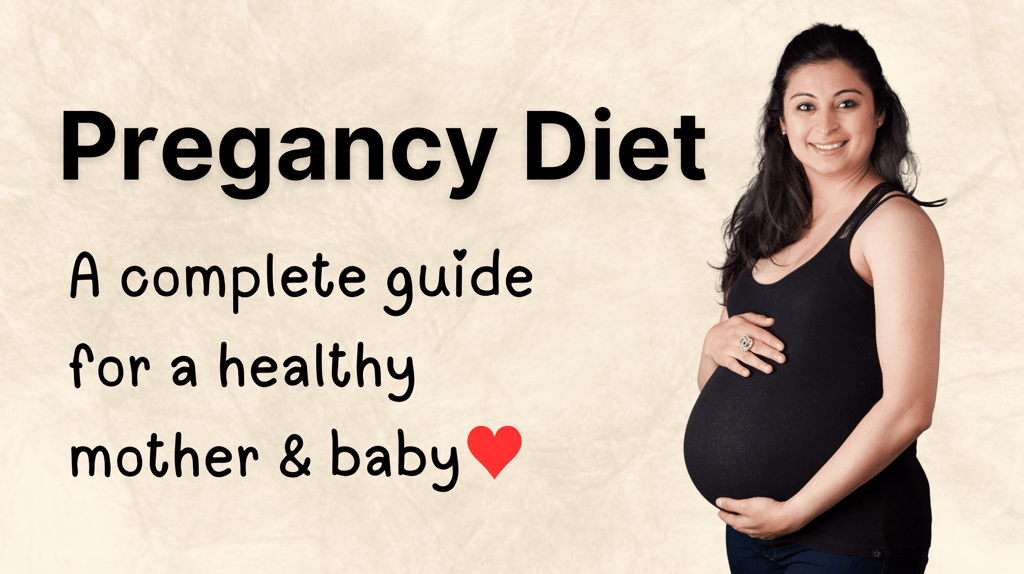
Pregnancy is a miraculous journey filled with anticipation and wonder. Whether you're craving a refreshing smoothie or fighting your cravings, this guide is your go-to resource for ensuring you and your baby receive the essential nourishment you both deserve.
Riddhi Patel
2/12/20258 min read
Importance of nutrition during pregnancy
Nutrition during pregnancy plays a crucial role in the health and development of both the mother and the baby. The body undergoes significant changes to accommodate the growing fetus, and these changes demand an increased intake of essential nutrients.
Having a well-balanced diet helps ensure that the mother maintains her health while providing the necessary building blocks for the baby’s development. Proper nutrition can reduce the risk of complications such as gestational diabetes, preeclampsia, and low birth weight, which are critical concerns during pregnancy.
Moreover, the foundation for a child’s long-term health is often laid during this period. Research indicates that a well-nourished fetus is more likely to grow into a healthy child and adult. Nutrient-rich foods contribute to optimal brain development, stronger immune systems, and a decreased likelihood of chronic diseases later in life.
Hence, it is vital for expectant mothers to focus on incorporating a variety of healthy foods into their daily meals to support both their well-being and that of their baby.
Additionally, the psychological aspects of pregnancy nutrition should not be overlooked. Eating a balanced diet can enhance mood, energy levels, and overall mental health. Many women experience fluctuations in their emotions during pregnancy, and having a stable nutritional foundation can help mitigate some of these mood swings.
Expectant mothers can feel empowered and more in control of their health during this transformative journey by prioritizing their nutrition
Here is what this pregnancy diet guide covers:
Key nutrients for a healthy pregnancy
Crafting a balanced pregnancy nutrition plan
Meal planning for expectant mothers
Healthy snacks for pregnant women
Foods to avoid during pregnancy
Staying hydrated during pregnancy
Exercising during pregnancy
Consulting a Dietitian for nutrition advice
Conclusion
Key nutrients for a healthy pregnancy
When it comes to pregnancy nutrition, certain key nutrients take center stage, and understanding their importance can make a significant difference. One of the most vital nutrients is folate, also known as folic acid. This B-vitamin is crucial for DNA synthesis and cell division, making it essential for the early development of the baby's neural tube, which eventually forms the brain and spinal cord. Adequate folate intake can significantly reduce the risk of neural tube defects, emphasizing the need for women to include folate-rich foods such as leafy greens, legumes, and fortified cereals in their diets.
Iron is another critical nutrient during pregnancy. The body requires more iron to support the increased blood volume and to provide oxygen to the developing fetus. Insufficient iron intake can lead to anemia, which can cause fatigue and complications during delivery. Pregnant women should aim to include iron-rich foods such as lean meats, beans, and fortified grains, along with vitamin C sources to enhance iron absorption.
Calcium and vitamin D also play an essential role in maintaining the mother’s bone health and supporting the baby's skeletal development. Calcium helps in the formation of the baby's bones and teeth, while vitamin D aids in calcium absorption and has been linked to a reduced risk of complications during pregnancy. Dairy products, leafy greens, and fortified foods are excellent sources of these nutrients, making it crucial for expectant mothers to incorporate them into their diets for optimal health.
Crafting a balanced pregnancy nutrition plan
Creating a balanced pregnancy nutrition plan involves understanding how to incorporate a variety of food groups while being mindful of portion sizes. A well-rounded diet should include fruits, vegetables, whole grains, protein sources, and healthy fats. Each food group provides unique nutrients essential for both the mother and the baby. For instance, fruits and vegetables are packed with vitamins and minerals, while whole grains provide energy and fiber to support digestive health.
Protein is particularly important during pregnancy, as it is necessary for the growth of fetal tissues, including the brain. Lean meats, poultry, fish, eggs, beans, and nuts are excellent sources of protein. It’s also beneficial to include sources of healthy fats, such as avocados, nuts, and olive oil, which support brain development and provide essential fatty acids that are vital during this critical growth phase.
Expectant mothers should also prioritize meal frequency and portion control to maintain steady energy levels throughout the day. Instead of sticking to three large meals, eating smaller, more frequent meals can help manage nausea and digestive discomfort, which are common in early pregnancy. By planning meals that focus on variety and balance, pregnant women can ensure they are meeting their nutritional needs while enjoying the process of preparing and eating wholesome foods.
Meal planning for expectant mothers
Meal planning can significantly ease the stress of making healthy food choices during pregnancy. By taking the time to plan meals ahead of time, expectant mothers can ensure they have access to nutritious options that support their health and that of their baby. Begin by creating a weekly menu that includes a variety of foods from all food groups to ensure a well-rounded diet. This approach not only promotes healthy eating but also helps to avoid the temptation of reaching for convenience foods that may be less nutritious.
When meal planning, consider incorporating seasonal fruits and vegetables, as they are often fresher and more flavorful. Aim to include different colors on your plate, as this variety often indicates a broader range of nutrients. Additionally, batch cooking can be an excellent strategy for busy expectant mothers. Preparing meals in advance and freezing them in portion-sized containers can save time and make it easier to stick to a healthy diet, especially during those days when fatigue may make cooking feel like a daunting task.
Don’t forget to include snacks in your meal planning as well. Healthy snacks can help keep energy levels stable and provide additional nutrients that are important during pregnancy. Consider options such as yogurt with fruit, nut butter on whole-grain toast, or homemade energy balls made from oats and dried fruits. By planning your meals and snacks, you can ensure that you are nourishing your body and your baby effectively while also enjoying the flavors and textures of healthy foods.
Healthy snacks for pregnant women
Finding healthy snacks during pregnancy is essential for maintaining energy levels and meeting nutritional needs. Opting for nutrient-dense snacks can help fend off hunger between meals while providing valuable vitamins and minerals. One great option is yogurt, which is rich in protein and calcium. Pairing yogurt with fresh fruits or a sprinkle of granola can create a satisfying and delicious snack. Greek yogurt, in particular, is higher in protein and can help keep you feeling full longer.
Another nutritious snack idea is a handful of nuts or seeds. These are excellent sources of healthy fats, protein, and fiber. Almonds, walnuts, and pumpkin seeds are particularly beneficial, as they are packed with nutrients such as vitamin E, magnesium, and omega-3 fatty acids. Mixing nuts with dried fruits creates a tasty trail mix that is easy to carry and can be enjoyed on the go.
Vegetable sticks with hummus or guacamole provide another healthy snacking option. Carrots, celery, and bell peppers are crunchy and full of vitamins, and dipping them into a nutrient-rich spread can enhance their appeal. This combination not only satisfies cravings but also contributes to your daily vegetable intake. By choosing snacks that are both nutritious and satisfying, expectant mothers can support their health while enjoying a variety of flavors and textures throughout their pregnancy.
Foods to avoid during pregnancy
While focusing on a nourishing diet during pregnancy is essential, it is equally important to be aware of foods that should be avoided. Certain foods can pose risks to the health of both the mother and the developing baby. One of the primary concerns is the consumption of raw or undercooked seafood, meat, and eggs, as they can harbor harmful bacteria or parasites that may lead to foodborne illnesses. Pregnant women should ensure that all meats are cooked thoroughly, and eggs are well-prepared to minimize these risks.
Additionally, some fish contain high levels of mercury, which can negatively affect fetal development. It is advisable to limit the intake of fish such as shark, swordfish, and king mackerel. Instead, opt for safer choices like salmon, sardines, and trout, which provide beneficial omega-3 fatty acids without the mercury concerns.
Processed foods and those high in added sugars should also be limited. These options often lack essential nutrients and can contribute to excessive weight gain and gestational diabetes. Instead, focus on whole, unprocessed foods that provide the necessary nutrients for both the mother and baby. By being mindful of what to avoid, expectant mothers can create a healthier eating environment that promotes well-being during this vital time.
Staying hydrated during pregnancy
Hydration is a vital aspect of pregnancy nutrition that often goes unnoticed. Proper fluid intake is essential for supporting increased blood volume, aiding digestion, and preventing constipation, which is common during pregnancy. Staying hydrated can also help alleviate common pregnancy symptoms such as swelling and fatigue. Pregnant women should aim to drink at least 8-10 cups of water each day, though individual needs may vary based on activity levels and climate.
In addition to plain water, there are other delicious ways to stay hydrated. Herbal teas, coconut water, and infused waters with fruits and herbs can be refreshing alternatives that also provide additional nutrients. Foods with high water content, such as cucumbers, watermelon, and oranges, can also contribute to overall hydration. These options not only quench thirst but can be a tasty way to incorporate more vitamins and minerals into the diet.
It’s crucial to listen to your body’s signals and drink when you feel thirsty. During hot weather or if you’re physically active, fluid needs may increase, so adjusting your intake accordingly is essential. Keeping a water bottle handy can serve as a helpful reminder to drink throughout the day. Staying properly hydrated is a simple yet effective strategy to support overall health during pregnancy, benefiting both the mother and her growing baby.
Exercising during pregnancy
Incorporating exercise into a pregnancy nutrition plan is equally important for maintaining overall health. Regular physical activity can contribute to better physical and mental well-being during pregnancy, helping to regulate weight gain, reduce the risk of gestational diabetes, and alleviate common discomforts such as back pain and fatigue. Engaging in moderate exercise, such as walking, swimming, or prenatal yoga, can enhance mood and energy levels, making this transformative journey more enjoyable.
Before starting any exercise routine, it is essential for expectant mothers to consult with their healthcare providers to ensure safety and appropriateness. Healthcare professionals can provide personalized recommendations based on individual fitness levels, health conditions, and any pregnancy complications. It is vital to listen to your body and modify activities as needed, especially as the pregnancy progresses.
Incorporating strength training exercises can also be beneficial, as they help build core strength and stability, which can ease labor and delivery. A well-rounded exercise plan can improve cardiovascular health and promote a sense of accomplishment and empowerment during pregnancy. By finding enjoyable activities and staying active, expectant mothers can foster a healthier lifestyle that benefits both themselves and their babies.
Consulting a healthcare provider for nutrition advice
Consulting a dietitian for personalized nutrition advice is an essential step in crafting a healthy pregnancy nutrition plan. Every pregnancy is unique, and dietitians can offer tailored recommendations based on individual health histories, dietary preferences, and any specific concerns. They can help address questions about nutrient needs, supplementation, and meal planning, ensuring that expectant mothers feel confident in their dietary choices.
In addition to general nutrition advice, dietitians can also assist in identifying any potential food allergies or intolerances that may arise during pregnancy. They can recommend safe alternatives or modifications to meet nutritional needs without compromising health. Furthermore, for women with existing health conditions such as diabetes or hypertension, healthcare providers can create specialized nutrition plans that support both maternal and fetal health.
Regular check-ups during pregnancy also provide opportunities to reassess nutritional needs as the pregnancy progresses. As the body changes, the requirements for certain nutrients may increase or shift. By maintaining open communication with healthcare providers, expectant mothers can stay informed and empowered in their nutrition journey, ensuring they make the best choices for themselves and their babies.
Conclusion: Embracing a healthy lifestyle for you and your baby
Embracing a healthy lifestyle during pregnancy is a rewarding endeavor that fosters the well-being of both mother and baby. By prioritizing nutrition and understanding the importance of key nutrients, expectant mothers can create a nourishing environment that supports fetal development and enhances their own health. Meal planning, mindful snacking, and staying hydrated are essential strategies that contribute to a balanced diet, making it easier to maintain energy levels and overall wellness.
Moreover, incorporating regular exercise and consulting healthcare providers for personalized advice ensures that the pregnancy journey is both enjoyable and safe. This holistic approach to nutrition and lifestyle instills confidence in mothers-to-be, allowing them to fully embrace the transformative experience of pregnancy.
As you embark on this incredible journey, remember that every small, positive change contributes to a healthier future for you and your baby. By nourishing your body with wholesome foods and staying active, you can create a nurturing environment that supports optimal growth and development. Celebrate this unique chapter of life with knowledge, empowerment, and a commitment to a healthy lifestyle that benefits both you and your little one.
The Diet Bliss
We specialize in personalized nutrition plans for sustainable health supported by expert guidance, balanced diets, and a holistic approach to wellness
Contact us:
riddhi.nutritionist@gmail.com
+91 9316437130
© 2025. All rights reserved.
by Riddhi Patel
Follow us: